2 hr 30 min
Atacama Desert Night Sky & Astronomy Tour
- Entry ticket
- Mobile voucher
- Valid same day
- Free cancellation
San Pedro De Atacama Stargazing Tour — Telescope Nights & Astrophotography
Two thousand metres above the sea, a sky without weather.
Compare fares, pick the fit — all bookings are mobile-voucher and eligible for free cancellation where shown.
2 hr 30 min
2 hr 30 min
2 hr
Selecting the right san pedro de atacama stargazing tour requires balancing your interest in scientific education, indigenous cosmology, or personal souvenir photography. These specialized astronomical outings take visitors away from urban light pollution to ensure optimal conditions for celestial observation.
| Scientific Focus Detailed Educational Experience |
Top pick Astrophotography & Cultural Comprehensive Group Tour |
Andean Worldview Indigenous History & Night Sky | |
|---|---|---|---|
| Experience Type | Science-led lecture and observation | Guided photography and local culture | Indigenous storytelling and astronomy |
| Telescope Access | Multiple high-end professional telescopes | Shared portable telescope stations | Basic optical viewing instruments |
| Photography Assistance | Basic group souvenir photos | Professional portrait sessions included | Included as requested |
| Added Amenities | Hotel transfers and hot drinks | Transfers and comfort supplies | Transfers and local snacks |
| Typical Duration | 2.0 – 2.5 hours | 2.5 – 3.5 hours | 2.0 – 3.0 hours |
| Best for | Serious hobbyists | First-time visitors | Culture seekers |
| See tickets & prices |
Verdict: Most visitors find the Astrophotography & Cultural san pedro de atacama stargazing tour tickets offer the best balance of visual memories and expert sky interpretation.
Worth it unless you own serious optics
A san pedro de atacama stargazing tour costs you an evening, not a gate fee — there is no central entrance charge here, and any cost sits with the operator you book. What that buys is the part you cannot replicate alone: a guide who reads the sky in real time, and Dobsonian or catadioptric telescopes with apertures no traveller packs in a carry-on. Stepping outside town, you will see the Magellanic Clouds, the Southern Cross, Eta Carinae and Saturn's rings resolved rather than guessed at. Astronomy tours in the Atacama Desert also handle the transfer away from town light pollution, which is the whole point. Self-guided observation from a hostel roof still shows a dense Milky Way, so budget travellers with binoculars lose less than you would think. Photographers and anyone curious about what they are looking at gain the most from a guided san pedro de atacama stargazing tour tour.
Bottom line: Book the guided night unless you already own a telescope — san pedro de atacama stargazing tour tickets buy expertise and aperture, and the sky here rewards both.
They complement each other; most visitors who do both call the high-altitude geyser field the more thrilling morning adventure, while the stargazing tour is the premier nocturnal highlight.
|
Top pick Stargazing Tour |
El Tatio Geysers | |
|---|---|---|
| Departure Time | 19:00–23:00 (varies by season) | |
| Typical Duration | 2–3 hours | |
| Altitude | 2,400 m (base) | |
| Temperature | Cold (requires layers) | |
| Primary Activity | Celestial observation/telescopes | |
| Physical Intensity | Low/sedentary | |
| Who It Suits | Astronomy fans/couples | |
| See tickets & prices |
Verdict: Choose the san pedro de atacama stargazing tour for an intimate study of the cosmos, but prioritize el tatio geysers if you seek a bracing, high-altitude landscape spectacle.
Hand-picked experiences loved by thousands of travelers
3 hours
Free Cancellation
Experience world-class astronomy under Chile's pristine night sky with telescopes, astrophotography, and gourmet refreshments
2.5 hours
Free Cancellation
Explore the cosmos through professional telescopes in one of Earth's clearest night skies with expert guides
3 hours
Free Cancellation
Observe celestial wonders through telescopes and capture professional photos beneath pristine desert skies
3.5 hours
Free Cancellation
Observe celestial wonders through telescopes in one of Earth's clearest skies, complete with drinks and photos
2 hours
Free Cancellation
Explore celestial wonders through high-powered telescopes with expert guidance in one of Earth's clearest skies
2 hours
Free Cancellation
Journey into the desert night to witness celestial wonders through telescopes while sipping Chilean wine
2 hours
Free Cancellation
Explore the southern night sky through professional telescopes and capture stunning photos under the stars
Transfer from town center to site
Safety briefing and equipment setup
Guided viewing of stars and planets
Dedicated area for high-powered telescope viewing of the Milky Way and southern constellations. Each site is situated far from town light pollution
Central station where astronomers manage large-aperture telescopes for deep-sky imaging. Guests learn how massive mirrors track objects across the sky
Educational zone where guides explain the 13.8 billion-year history of the universe. Interactive lessons focus on planetary motion and star life cycles
Protected zone spanning miles of desert, ensuring zero light interference for astronomical research. This landmark represents one of the most stable atmospheric conditions on Earth
Designated spot for viewing the southern sky with naked-eye instruction. Guides use laser-free pointers to identify constellations and nebulae in the vast desert dome
You leave town after dark, in the 19:00–23:00 arrival window, when the desert has cooled fast and the last light has drained behind Licancabur. The transfer runs fifteen to thirty minutes on gravel. Then the driver cuts the headlights, and your eyes begin their twenty-minute adjustment.
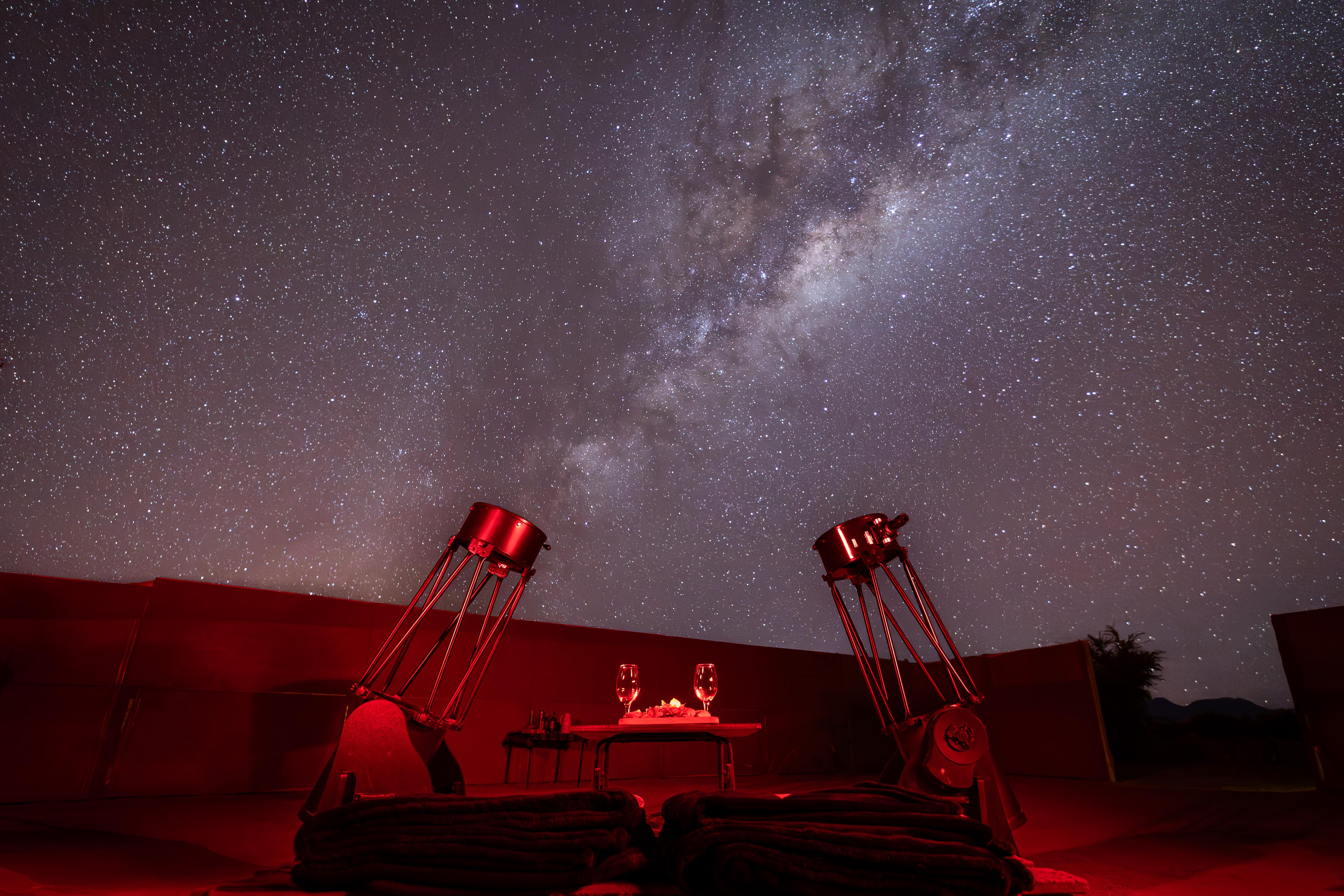
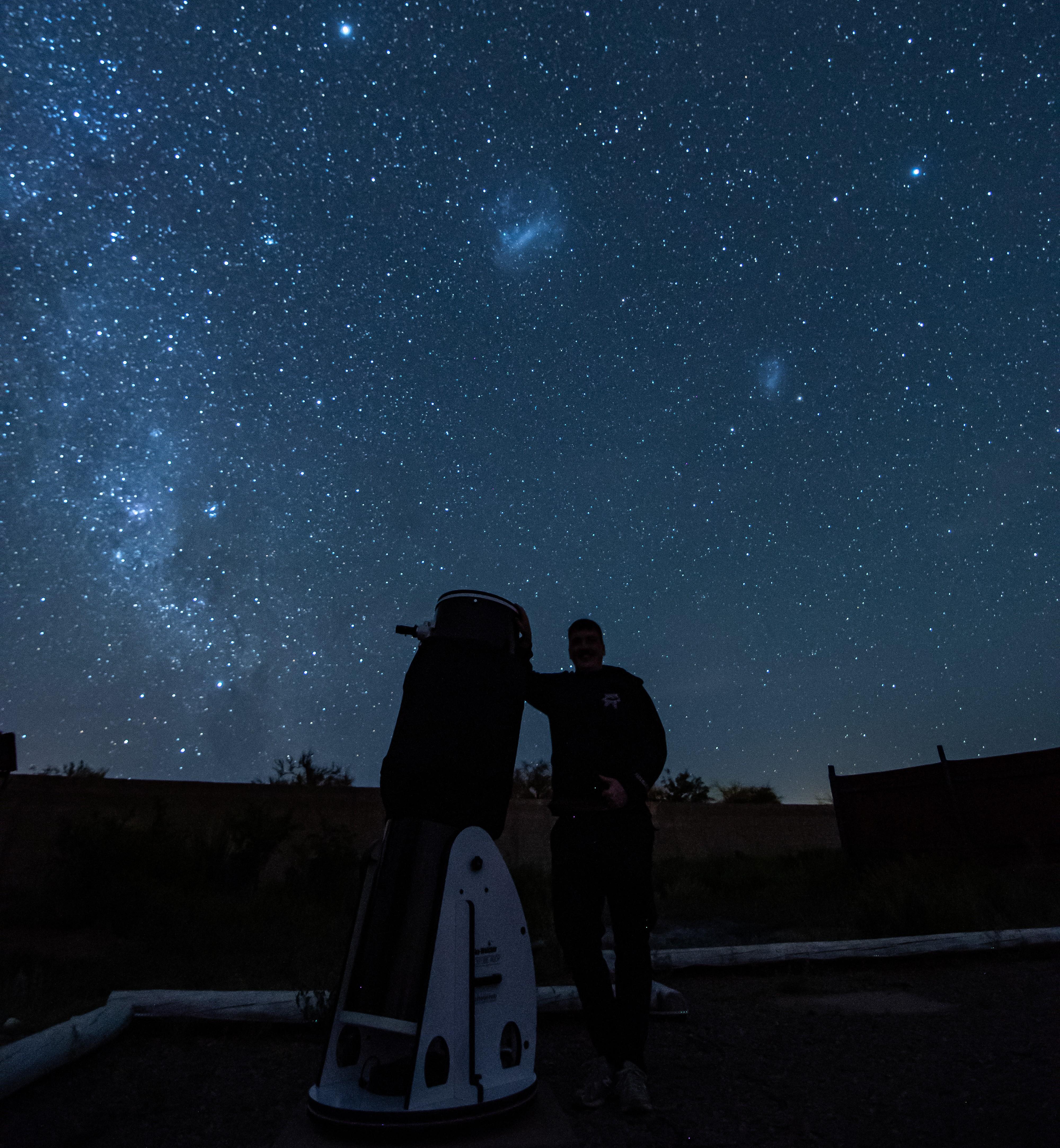
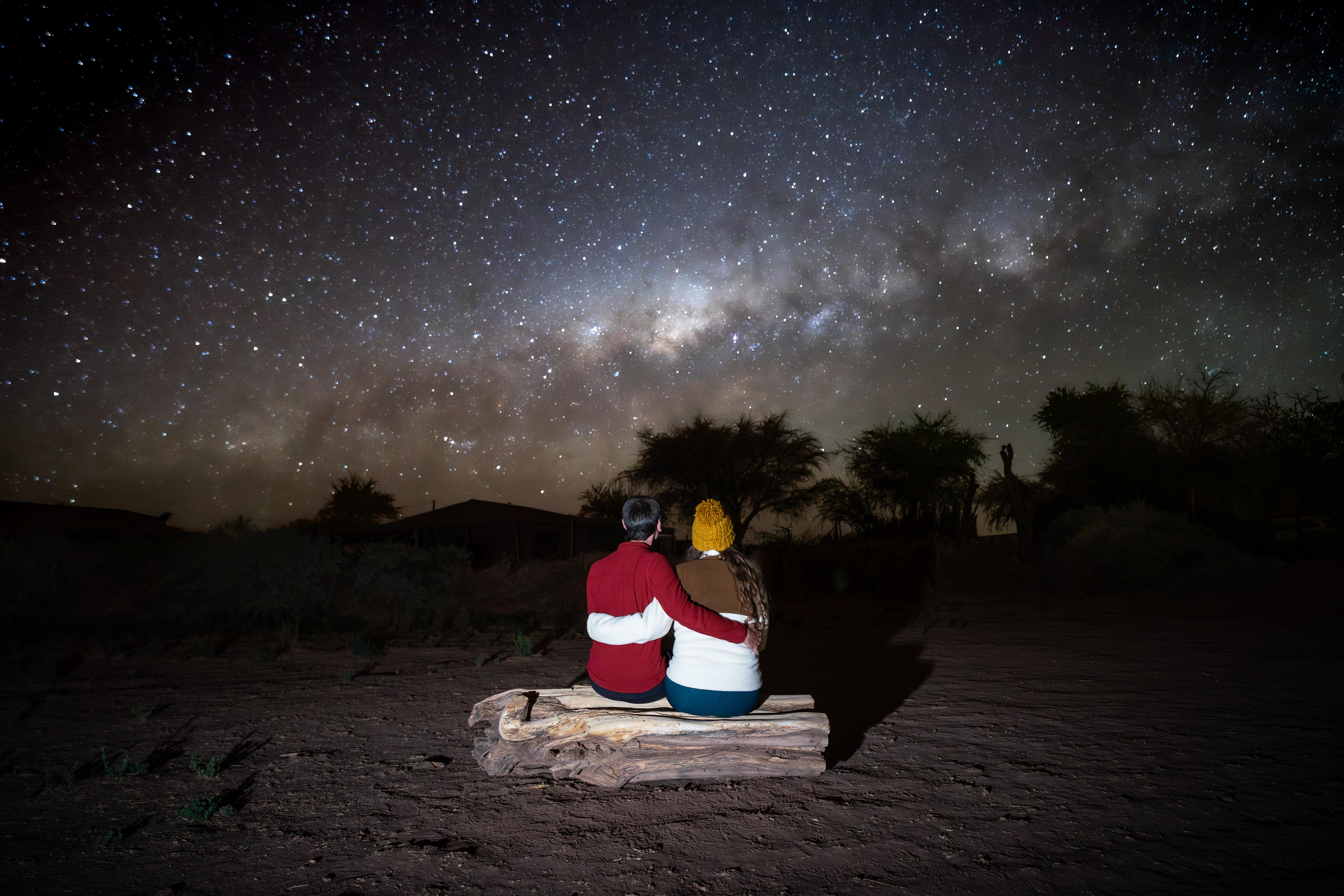
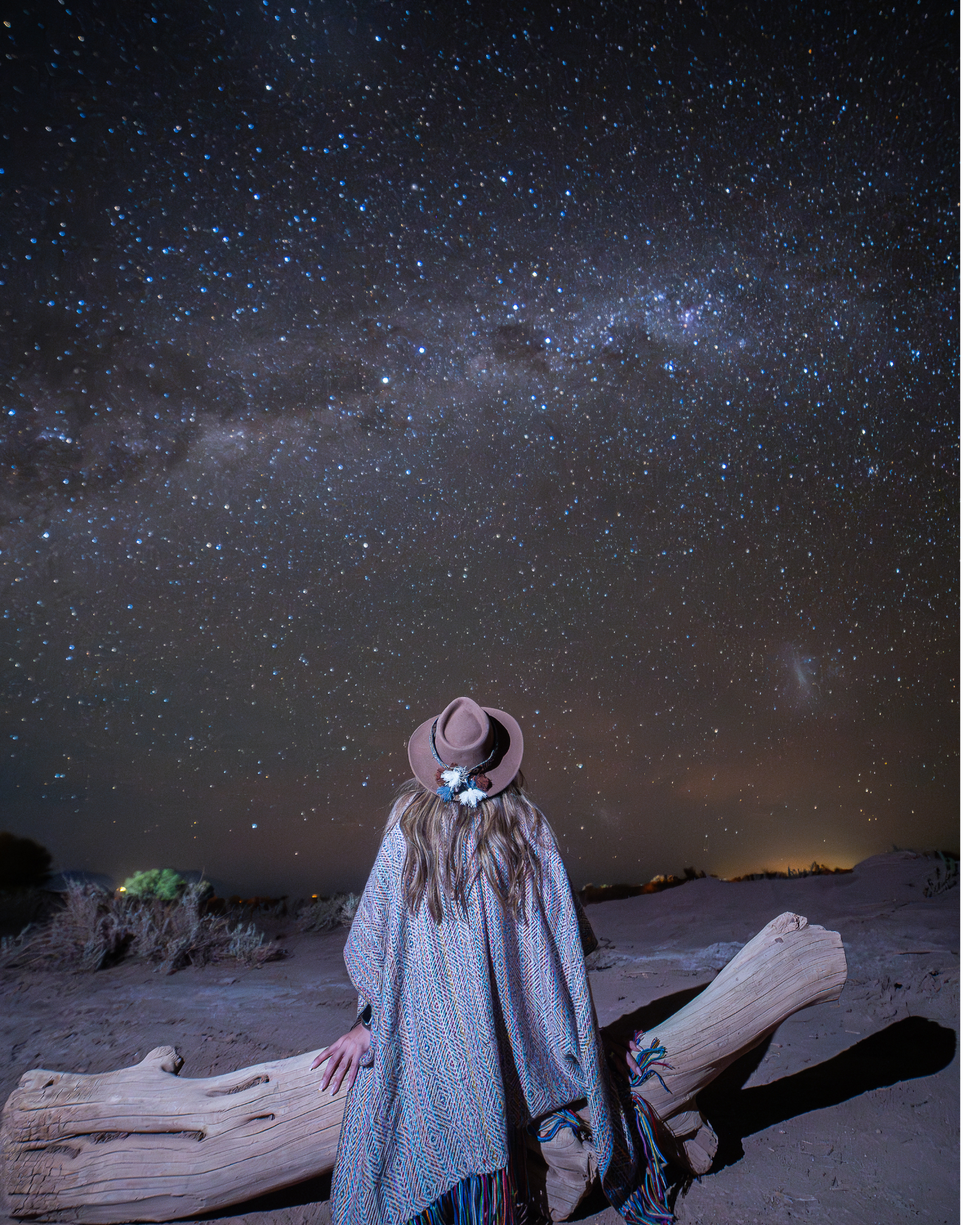
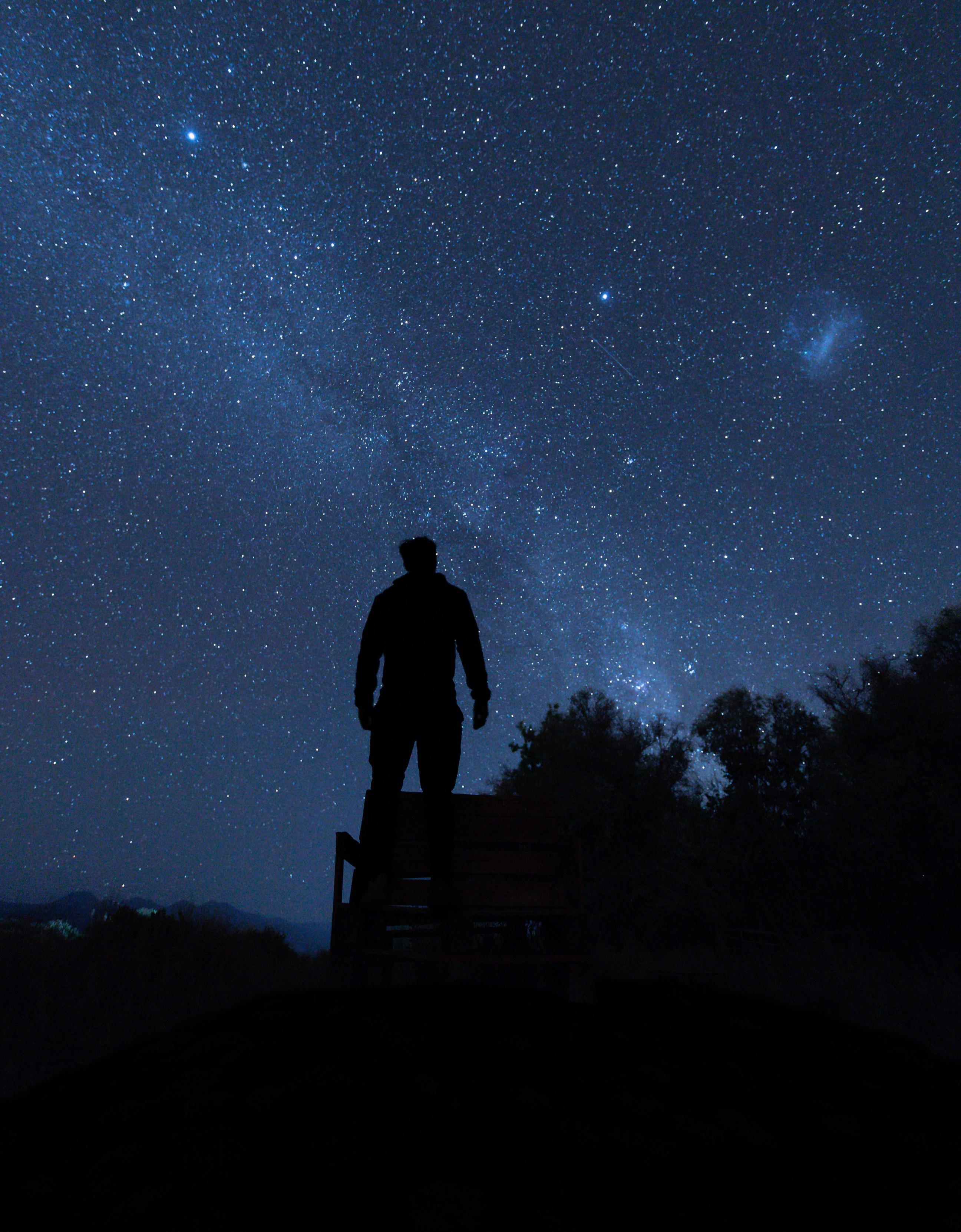
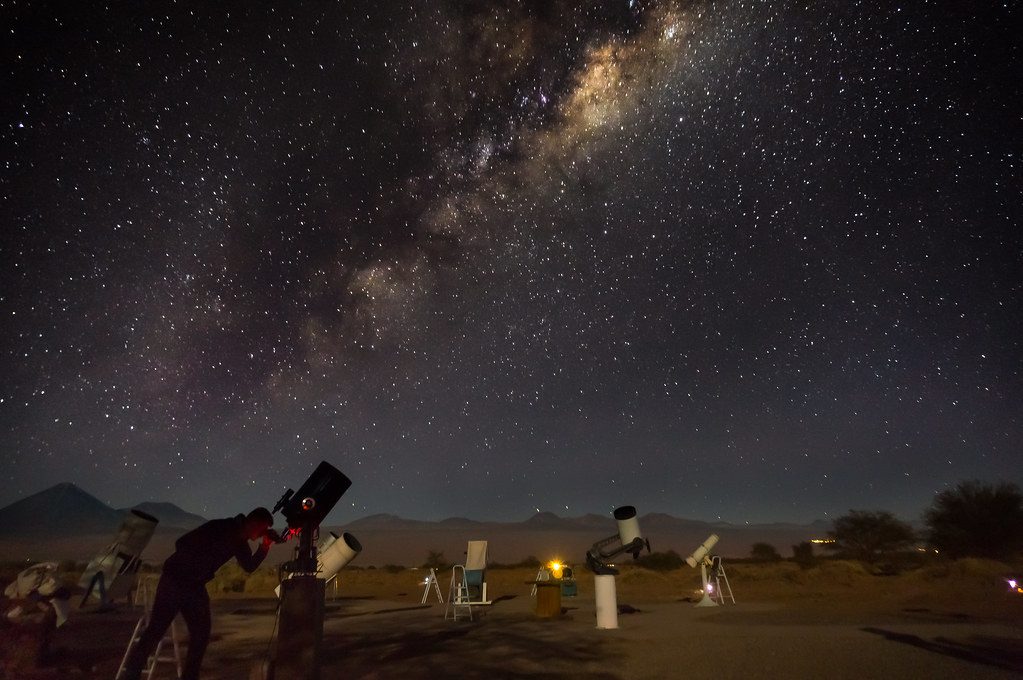
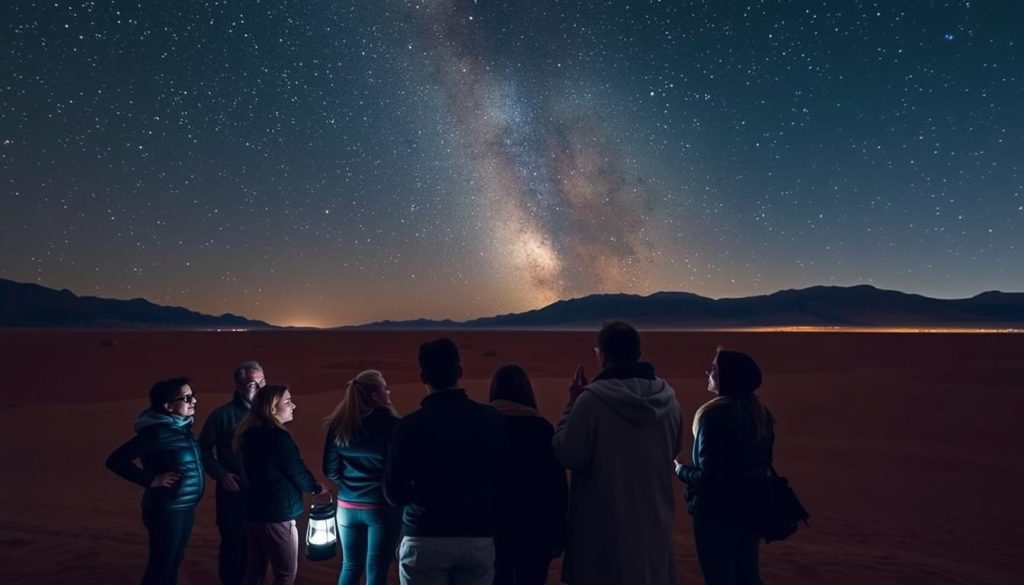
You stand still first. A guide walks you through the southern sky with a green laser: the Southern Cross, Alpha and Beta Centauri, the Magellanic Clouds hanging like torn cloth. You find the Milky Way's core overhead, then the dark constellations inside it — the llama's eyes, two bright stars in Centaurus. Only then do you go to the telescopes. Depending on the option you chose, that means Saturn's rings resolving at a few hundred magnifications, Jupiter's moons in a line, the Orion Nebula or Omega Centauri filling the eyepiece.
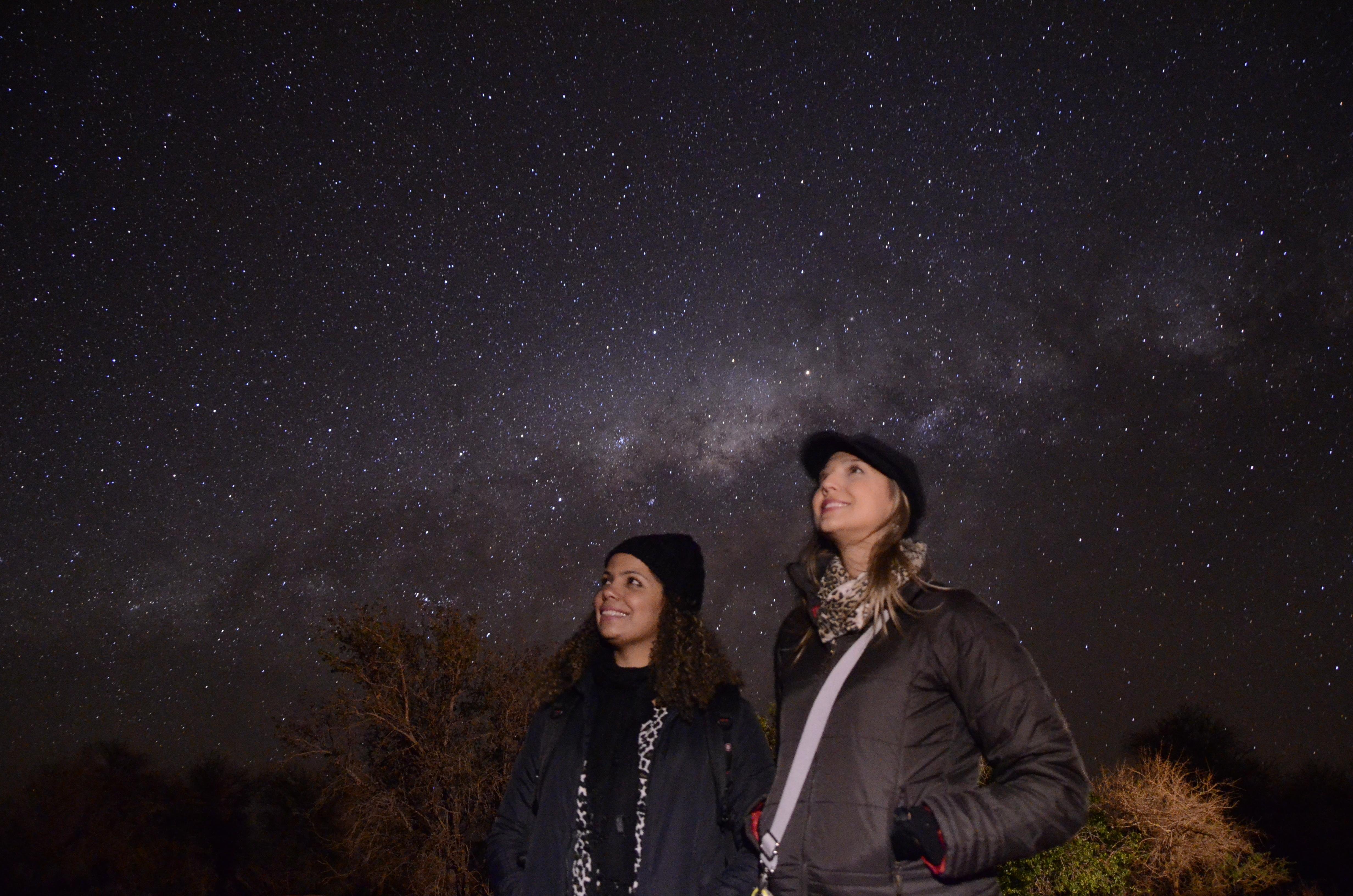
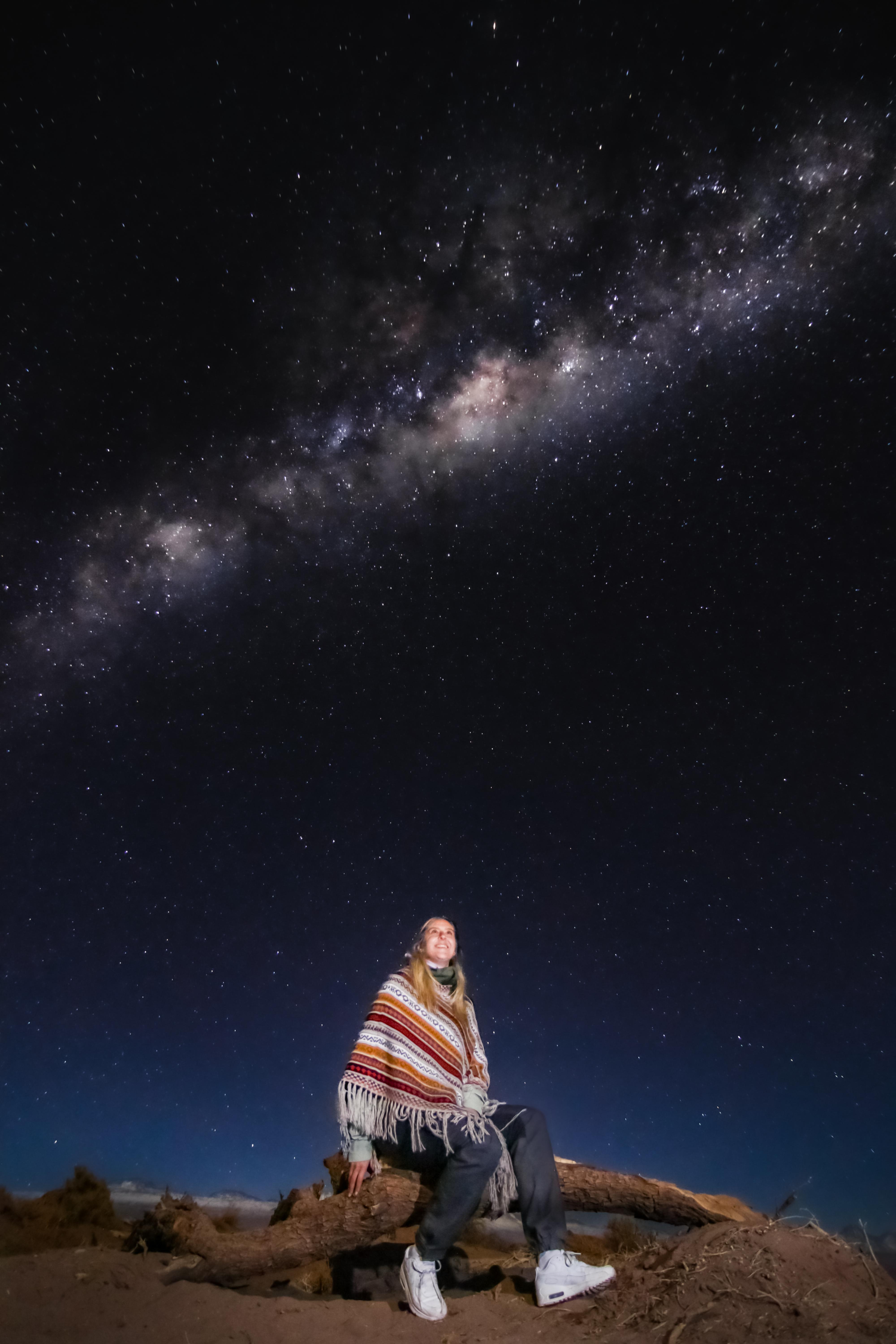
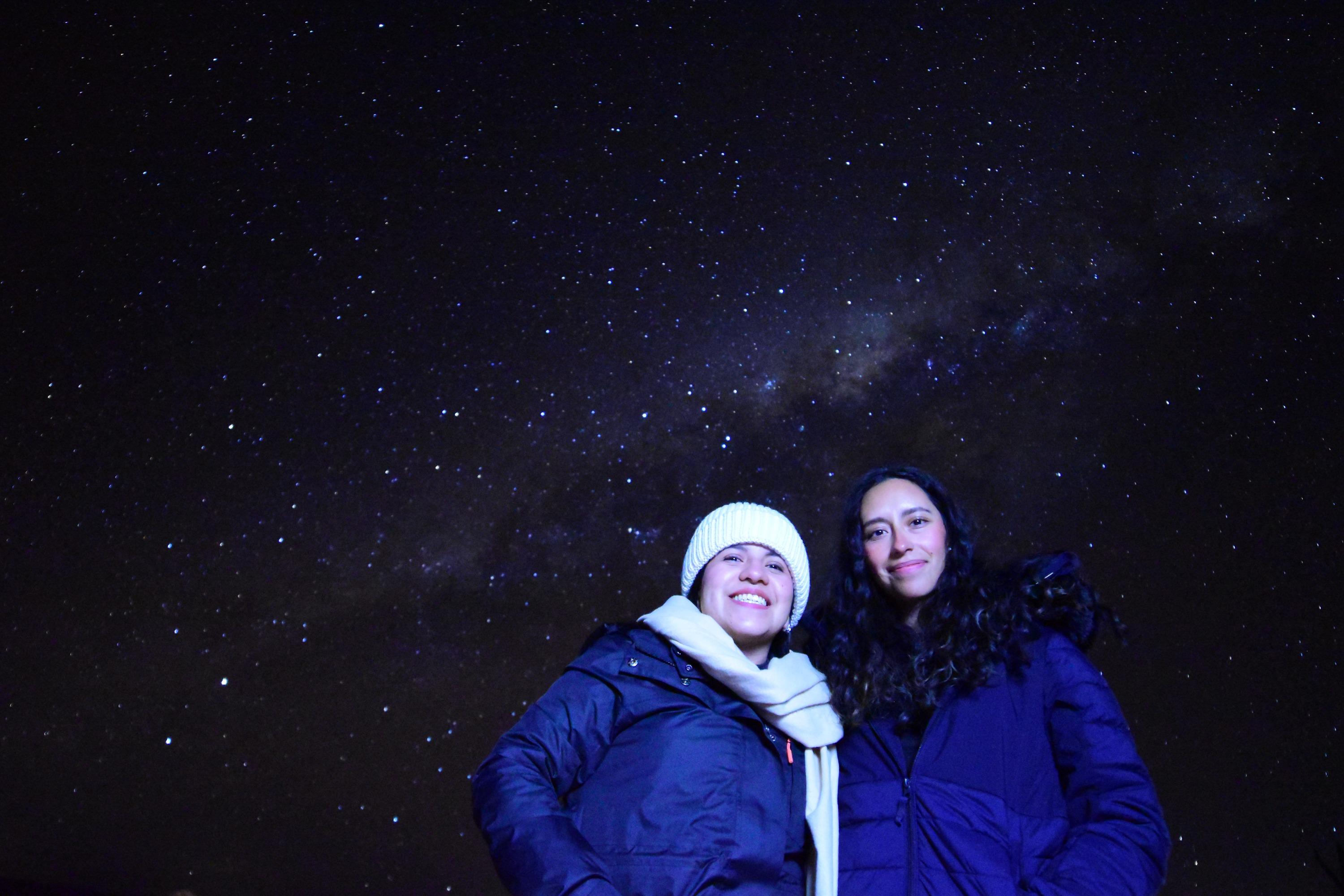
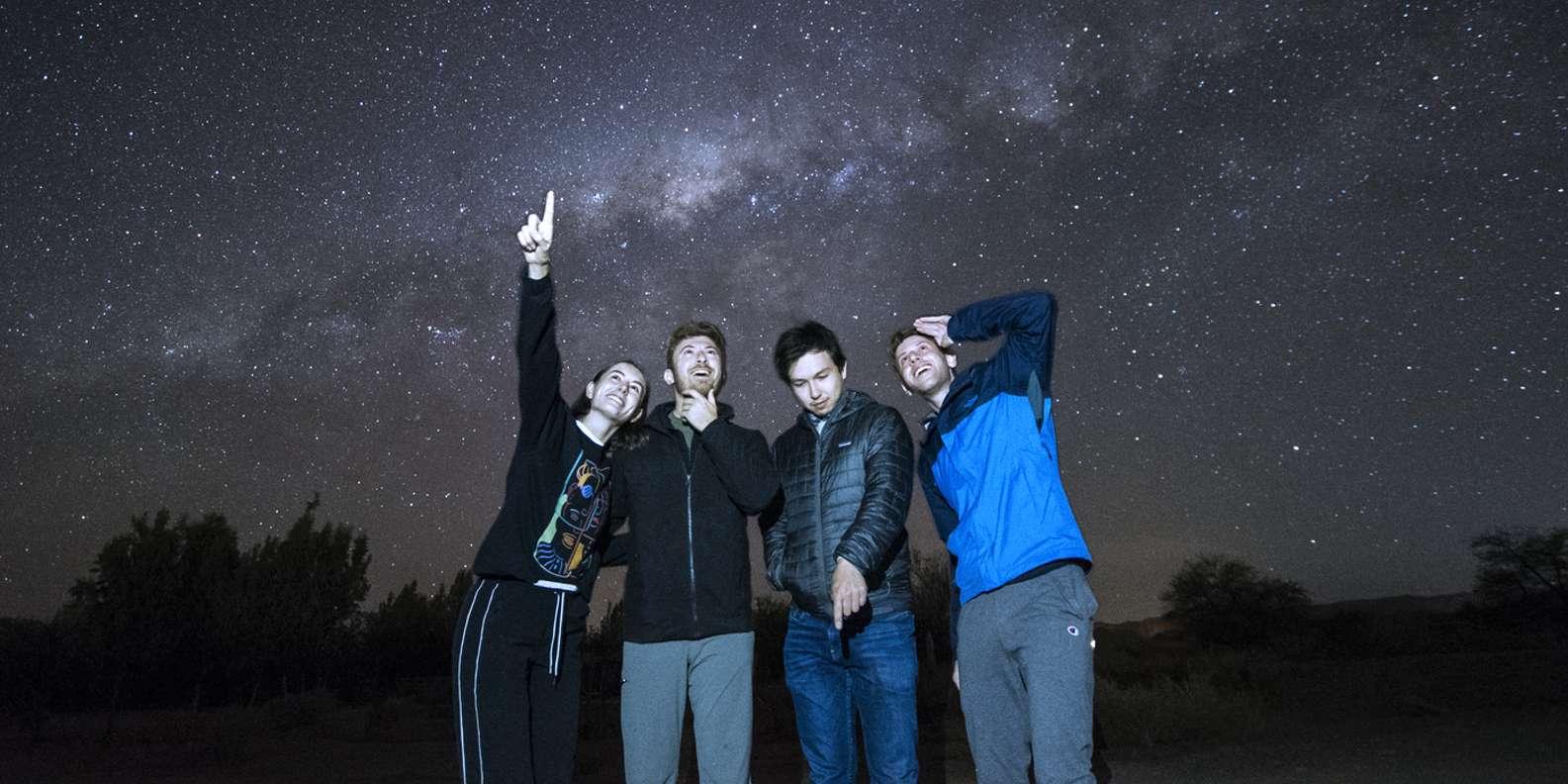
On the astrophotography options of a san pedro de atacama stargazing tour, you set your own camera on a tripod, learn a 20-second exposure at high ISO, and leave with a portrait of yourself under the galaxy. On the wine-tasting version, you hold a glass while the guide talks. You will want a hat, gloves, and a jacket — the desert drops below freezing. Several san pedro de atacama stargazing tour tours end with hot chocolate before the drive back.
All the details about your upcoming adventure in one place
The Atacama receives, in parts, less than one millimetre of rain per year — and some weather stations there have never recorded a drop at all. That aridity is the reason astronomers came. Water vapour blurs starlight; the Atacama has almost none.
Add an altitude of roughly 2,400 metres at San Pedro, a stable subtropical anticyclone overhead, and negligible cloud cover, and the result is a sky transparent for more than 300 nights a year.
The science followed the climate. ESO built La Silla in the 1960s, then Paranal, then ALMA — sixty-six radio antennas on the Chajnantor plateau at 5,000 metres, one of the largest ground-based astronomy projects ever assembled. Chile now hosts a substantial share of the world's professional telescope capacity. A san pedro de atacama stargazing tour operates in that same atmospheric window, borrowing conditions built for research instruments.
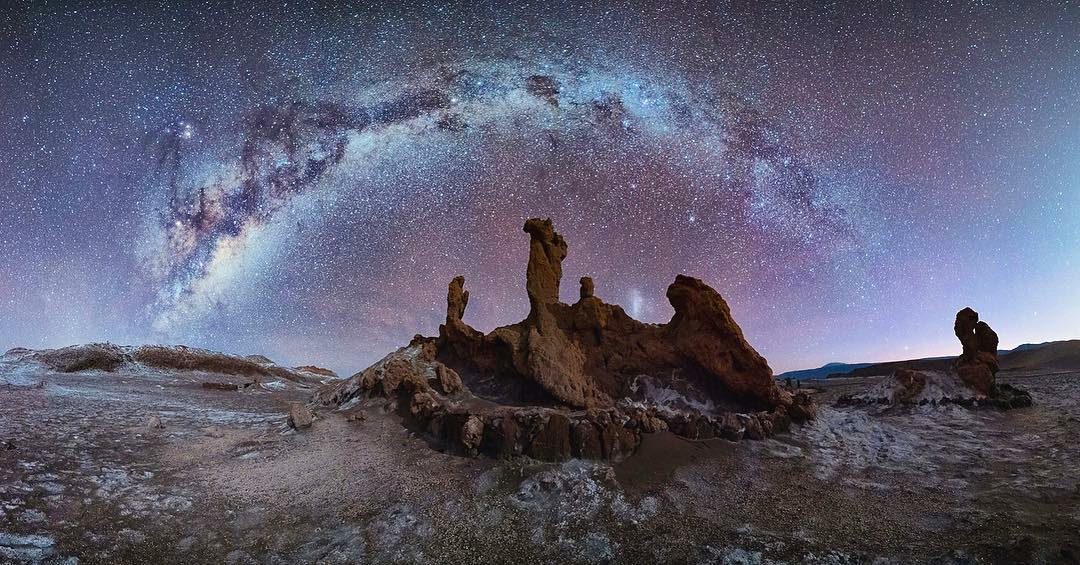
Human observation here is far older. The Atacameño, or Likan Antai, read this sky for millennia. Their constellations were dark: the Yakana, a llama traced not in stars but in the black dust lanes of the Milky Way, visible only where light pollution is absent. Cusi Cusi, the spider. Yutu, the tinamou. These figures organised agricultural calendars and irrigation schedules across the puna long before the first refracting lens reached the Andes. The Southern Cross, the Magellanic Clouds, and the galactic core all sit high overhead from this latitude — a hemisphere of sky invisible from most of Europe and North America.
Modern San Pedro is a small adobe town of narrow streets and a seventeenth-century church, ringed by the Licancabur volcano, the Valle de la Luna, and the salt flat beyond. It has no central gate and no admission barrier: entrance is 0 USD, and the desert is open at all hours, monday through sunday, 00:00–23:59. What structures the night is darkness itself. Municipal lighting norms and Chile's national dark-sky regulations keep glare low, and observation sites sit deliberately outside the town's modest glow.
That combination explains why astrotourism grew here rather than elsewhere. The tour astronómico san pedro de atacama tradition began with small private observatories in the 1990s and now spans telescope sessions, naked-eye orientation, and astrophotography instruction. Atacama Desert landmarks draw daytime crowds; the sky draws the rest. Every san pedro de atacama stargazing tour tour on this page works from the same address — San Pedro de Atacama, Antofagasta, Chile — and the same rare, dry column of air above it.
Water vapour blurs starlight; the Atacama has almost none.
Wear multiple layers as temperatures drop significantly at night in the Atacama Desert. Thermal base layers, a heavy jacket, gloves, and a beanie are essential for a comfortable san pedro de atacama stargazing tour experience.
Keep personal belongings to a minimum as space in transport vehicles is limited. Large suitcases are generally prohibited on the san pedro de atacama stargazing tour tours.
Use a tripod and manual settings to capture night sky images effectively. Flash photography is strictly prohibited during the san pedro de atacama stargazing tour to preserve night vision.
The san pedro de atacama stargazing tour is suitable for children, though late hours may be challenging for younger guests. Check with your chosen operator regarding minimum age requirements.
Most observation sites are located on uneven, unpaved desert terrain. Guests with limited mobility should confirm site conditions with the operator before booking their san pedro de atacama stargazing tour.
Operators typically provide hot beverages like tea or cocoa during the session. Outside food is generally discouraged to prevent littering in the protected desert environment.
Opening Hours
00:00–23:59
Address
San Pedro de Atacama, Antofagasta, Chile
Accessibility
Varies by remote desert site
Best Arrival
19:00–23:00
Storage
Not available at remote sites
Navigation
GPS coordinates provided by operator
Car · 2h · Rental fee
Rental vehicles are recommended for flexibility but require desert navigation skills.
Taxi · 10m · Variable cost
Local shuttles operate within the town for transfers.
Most operators allow cancellations up to 24 hours before the departure time for a full refund. Please review specific tour terms as no central gate exists and fees are determined by individual providers.
Recommended time
3-4 hours
A typical san pedro de atacama stargazing tour requires clear skies and travel away from town light pollution for the best celestial observation. Most sessions last several hours to allow for telescope setup, constellation identification, and guided astronomy education. Arriving within the optimal window ensures you maximize time with the night sky while minimizing impact from other travel logistics.
Crowd levels through the day
Weather · crowds · average price — dots go green to amber to red as each metric rises.
Clear skies and moderate temperatures make this ideal for night viewing.
Warmest nights, though occasional cloud cover may occur.
Stable conditions offer high visibility for deep space objects.
Crisp, cold nights provide the clearest atmosphere for viewing.
Reserve your san pedro de atacama stargazing tour tickets well in advance as spots fill up quickly.
New moon periods offer the darkest skies for viewing.
Temperatures drop below freezing even in summer.
The guide explains complex cosmic phenomena during the session.
Drink plenty of water to adjust to the high altitude.
The Atacama's clarity was measured long before it was sold. In 1849 the Chilean government surveyed the Loa basin; travellers noted skies without haze. The Licanantay people had already read those skies for centuries, tracking the Yacana — the dark llama constellation traced not in stars but in the dust lanes of the Milky Way. Their ceques and solstice markers at Tulor and Pukará de Quitor predate any telescope. The scientific turn came in 1962, when a European site-testing expedition rejected Argentina's Sierra Pié de Palo and settled on La Silla. Cerro Tololo followed in 1963. In 1998 the VLT opened at Paranal, roughly 300 kilometres southwest. The instruments confirmed what locals knew: over 300 clear nights annually, humidity near two percent. ALMA broke ground on the Chajnantor plateau in 2003 and reached full operation in 2013, after altitude sickness, funding disputes between ESO and NRAO, and a 2013 strike by Chilean staff halted the array for seventeen days. Public astronomy arrived through one man. In 1995 French astronomer Alain Maury settled outside San Pedro and, in 1998, began opening his private telescopes to visitors — the first commercial san pedro de atacama stargazing tour of its kind in Chile. Competitors multiplied after 2005. The near-disaster was light: as the town's hotel boom accelerated after 2010, sodium lamps threatened the very darkness being marketed. Chile's Norma Lumínica, first decreed in 1998 and tightened in 2012, restricted upward light spill across Antofagasta, Atacama and Coquimbo regions. What survives is a working compromise. Astronomical excursiones nocturnas run from private sites beyond the town glow; San Pedro de Atacama landmarks stay dim by law. Modern san pedro de atacama stargazing tour tickets fund the same instruments Maury pioneered, and any san pedro de atacama stargazing tour tour still depends on a 2012 statute. Booking a san pedro de atacama stargazing tour tours slot means inheriting that history.
Licanantay astronomers mapped the dark-cloud Yacana constellation and aligned structures at Tulor and Pukará de Quitor.
Chilean survey expeditions through the Loa basin recorded the exceptional atmospheric transparency of the Atacama.
A European site-testing campaign selected La Silla in Chile over rival Argentine sites, beginning the country's observatory era.
Alain Maury opened his private telescopes near San Pedro to visitors, and Chile issued its first Norma Lumínica light-pollution decree.
Ground was broken on the Chajnantor plateau for the ALMA radio array at 5,000 metres.
Chile tightened the Norma Lumínica, restricting upward light spill across Antofagasta, Atacama and Coquimbo.
ALMA reached full operation, though a seventeen-day staff strike halted the array that same year.
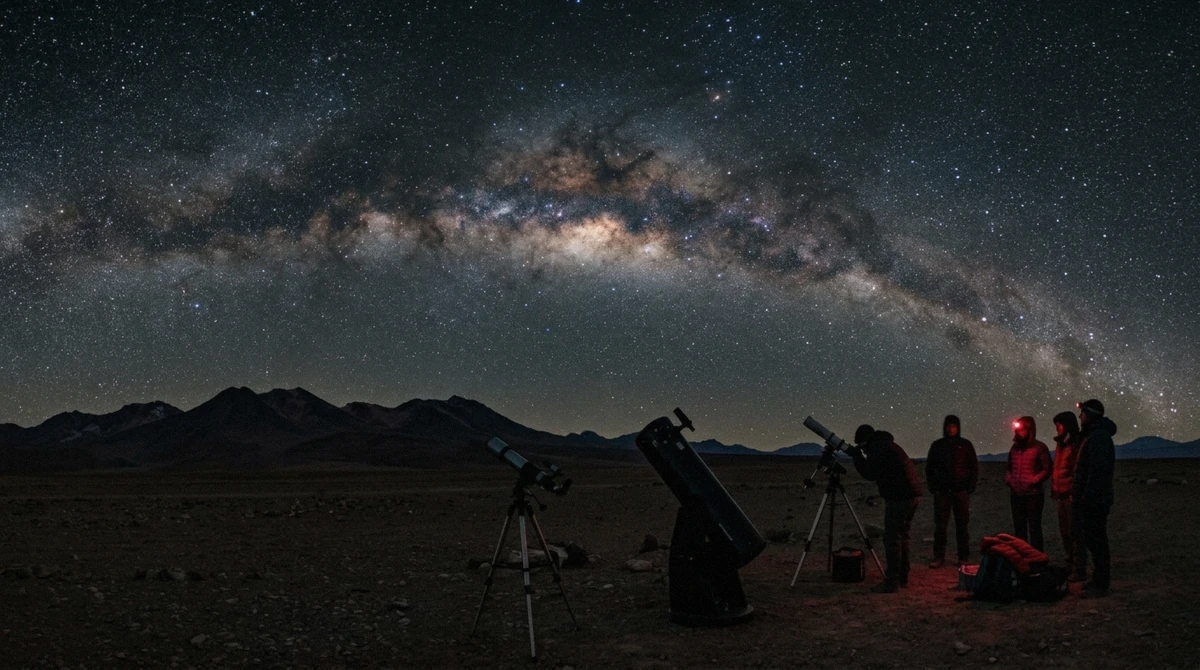
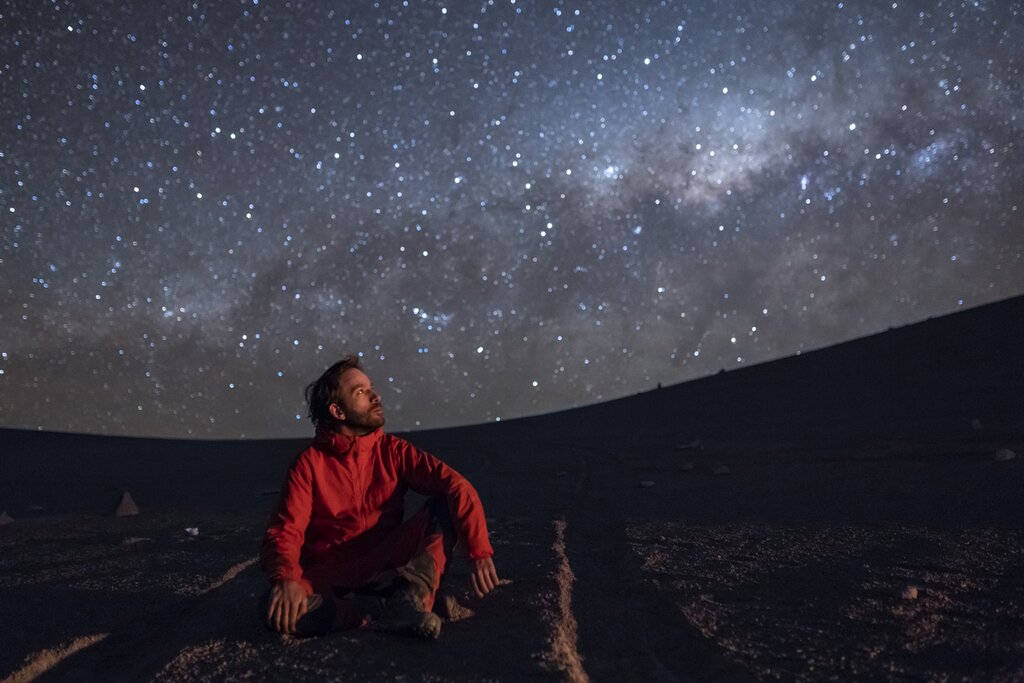
Position yourself on the high sand dunes facing east to capture the contrast between the jagged silhouettes of the mountains and the emerging Milky Way. A stable tripod is essential for these long exposures during a san pedro de atacama stargazing tour.
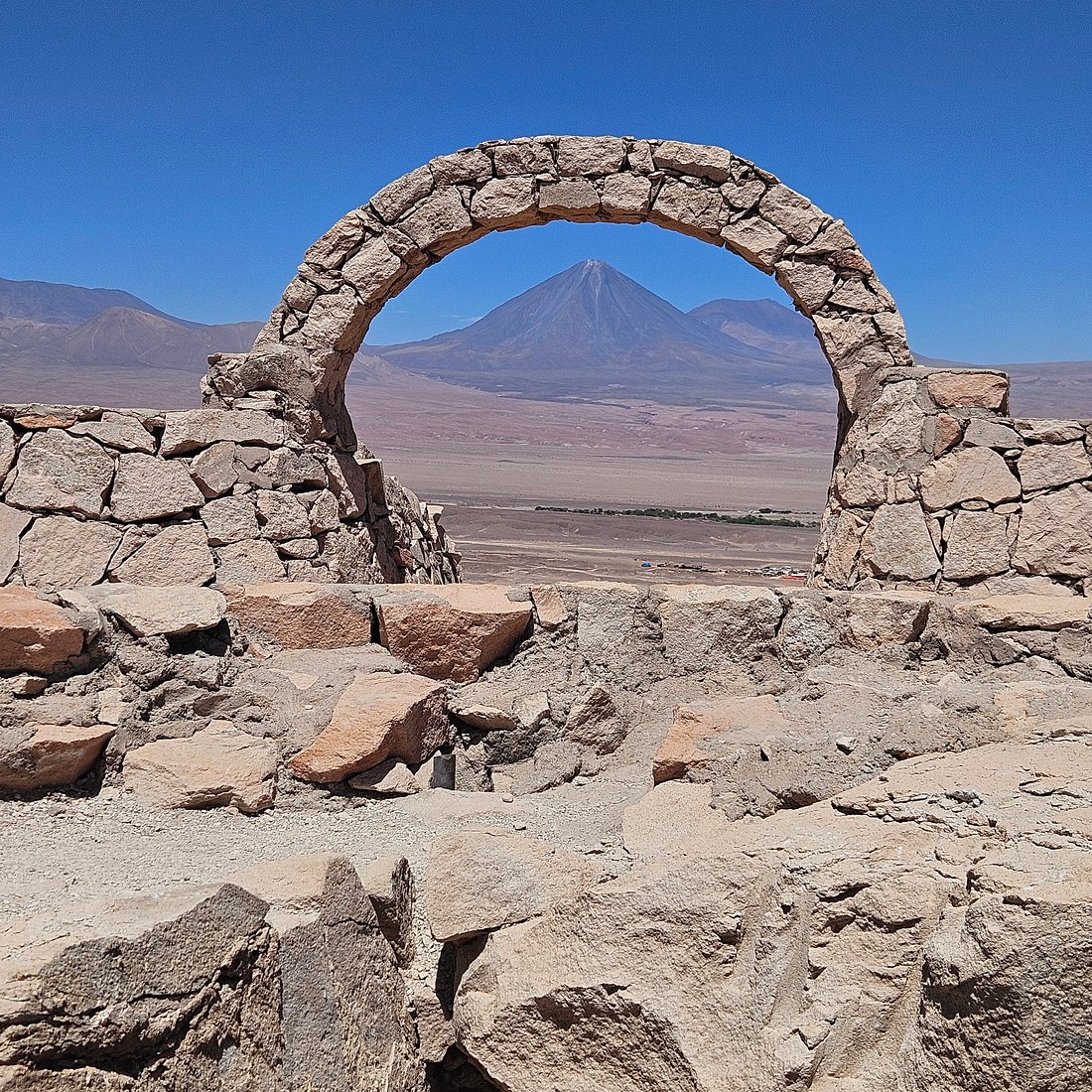
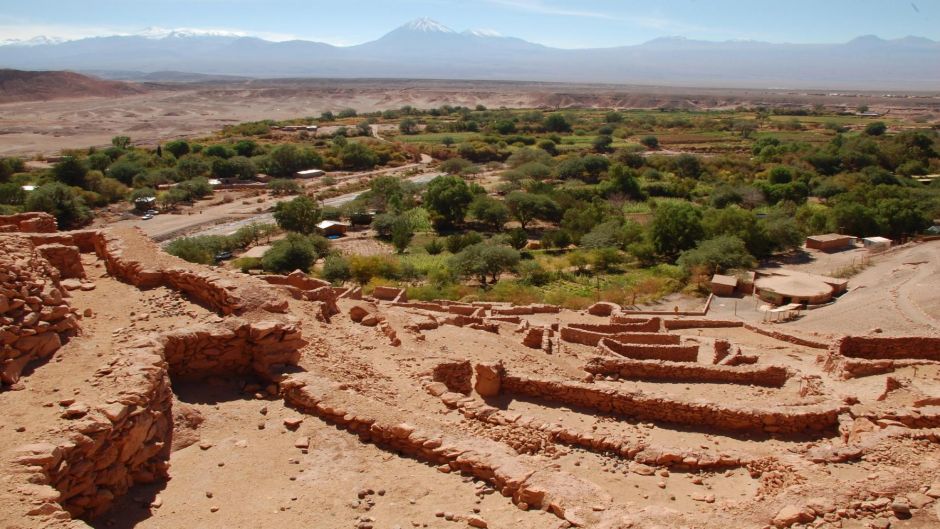
The stone walls of this ancient fortification provide a historical foreground for wide-angle shots of the night sky. Access this area with authorized san pedro de atacama stargazing tour tours to ensure safe navigation after dark.
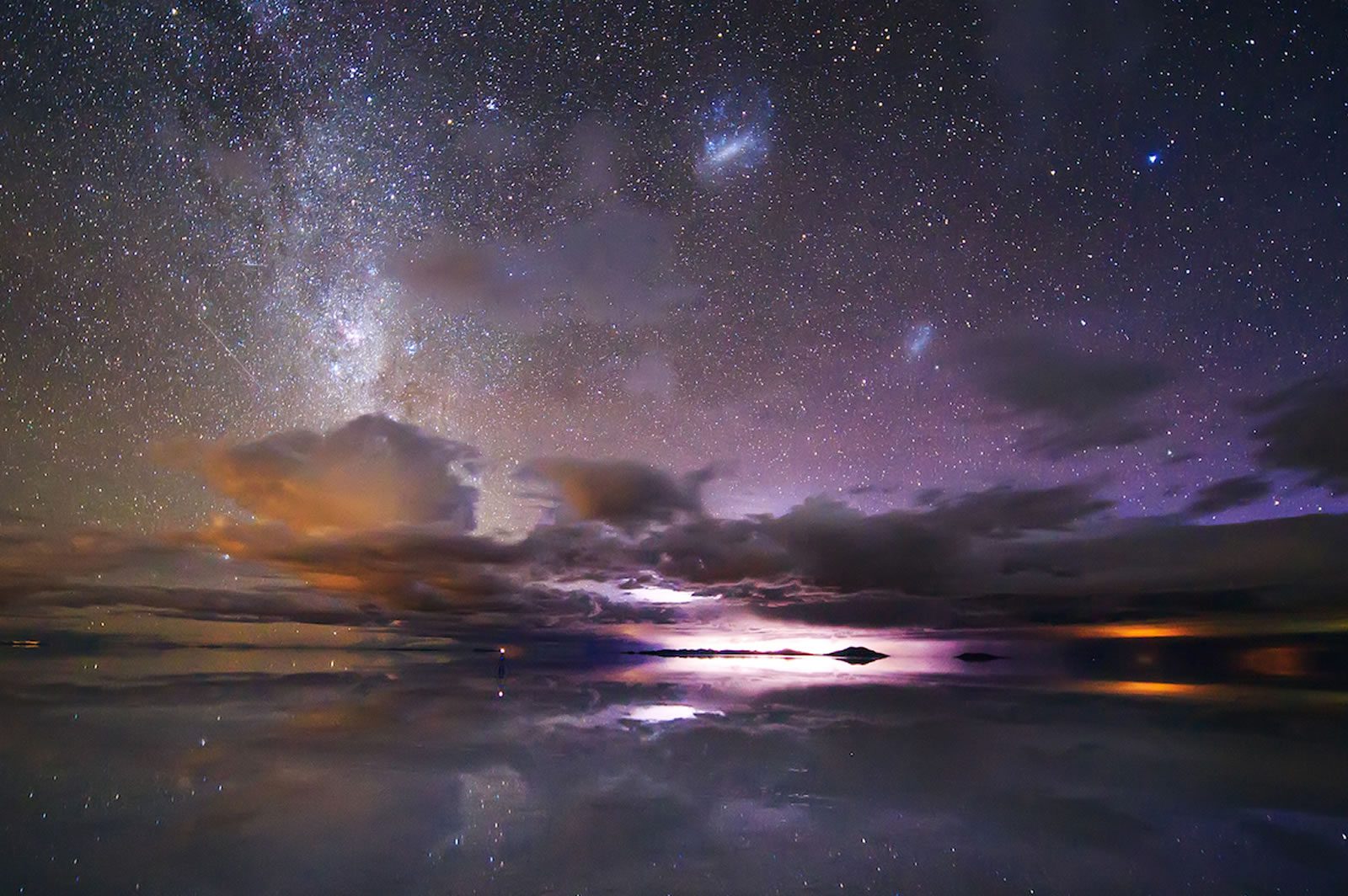
The reflective surface of the salt flat acts as a natural mirror for celestial constellations. Photographers often use wide apertures to capture the vast expanse of the Andean landscape found in san pedro de atacama stargazing tour ticket packages.
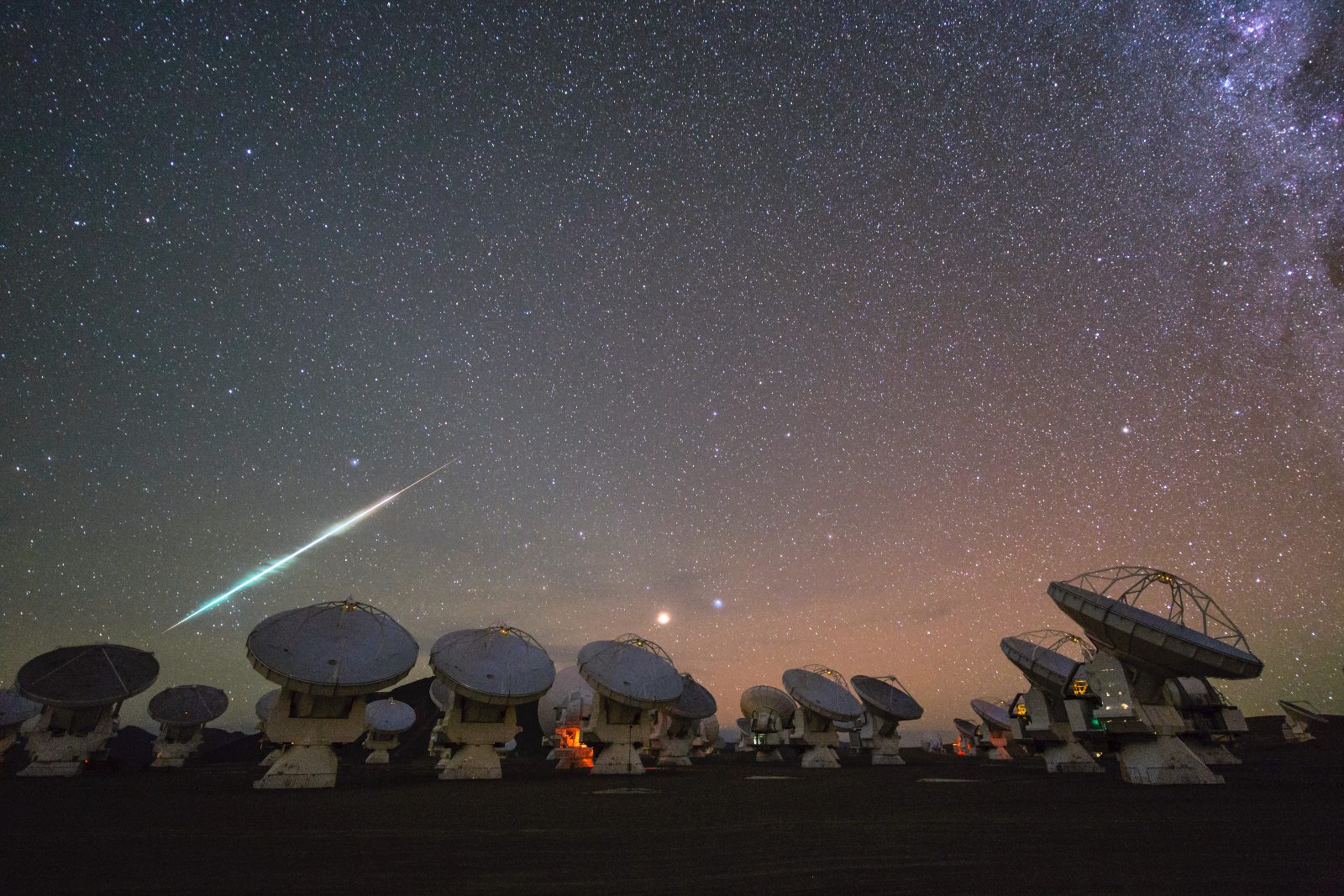
The high-altitude plateau offers clear views of the southern celestial hemisphere, making it a prime location for capturing professional astronomy photography. Secure your san pedro de atacama stargazing tour tour through certified operators to reach these remote observational sectors.
Exploring the cosmos on a san pedro de atacama stargazing tour offers children a unique chance to view constellations through high-powered telescopes. While the desert environment is vast, most providers curate experiences that accommodate curious young minds and families.
Strollers are not practical on the uneven, sandy terrain of remote desert observation sites. Bringing a child carrier is the recommended way to navigate your san pedro de atacama stargazing tour tours comfortably.
Children aged six and older typically gain the most from these sessions, as they can sit still and look through eyepieces for extended periods. Younger toddlers may find the long wait times in the dark challenging, so confirm age policies for your san pedro de atacama stargazing tour tickets.
There are no public restrooms or baby-change stations at the remote, open-air observation spots used for these excursions. Please ensure children use facilities in the town of San Pedro de Atacama, Antofagasta, Chile before departing.
These nocturnal excursions require significant patience as you wait for full darkness during the recommended arrival window of 19:00–23:00. This san pedro de atacama stargazing tour tour often involves quiet periods where children need to remain still to avoid disturbing telescope alignment.
The Atacama Desert reaches very low temperatures after sunset, so dressing in multiple warm layers is essential for keeping kids comfortable. Clear, dry skies provide excellent visibility for night sky exploration, but be prepared for chilly conditions throughout the observation.
Since there are no dining facilities at the remote celestial observation sites, most travelers enjoy a meal in town before their san pedro de atacama stargazing tour. The village center offers several establishments perfect for a quick bite before heading into the dark Atacama desert for deep-sky observation.
Located on the main street, this spot serves regional Andean cuisine like alpaca meat and quinoa bowls. It is a popular choice for visitors seeking a hearty dinner before their san pedro de atacama stargazing tour tours.
Everything you need to know for your journey
While the area is accessible 00:00–23:59, most tours operate within the 19:00–23:00 arrival window for best visibility.
Yes, it is highly recommended to secure your san pedro de atacama stargazing tour tickets ahead of time.
Sites are often on rugged terrain, making some locations difficult for those with mobility issues.
Photography is allowed, but flash must be disabled to avoid light pollution during the san pedro de atacama stargazing tour.
Dress in layers as it gets very cold at night, even in the desert.
Tours often include hot drinks like tea or coffee but generally do not provide meals.
Operators usually provide transport from town; visitors should not drive themselves to remote desert sites.
Yes, families are welcome, though children should be able to sit quietly during the san pedro de atacama stargazing tour.
Operators typically offer rescheduling or refunds if cloud cover prevents safe observation.
Ancient pre-Inca fortress overlooking the valley.
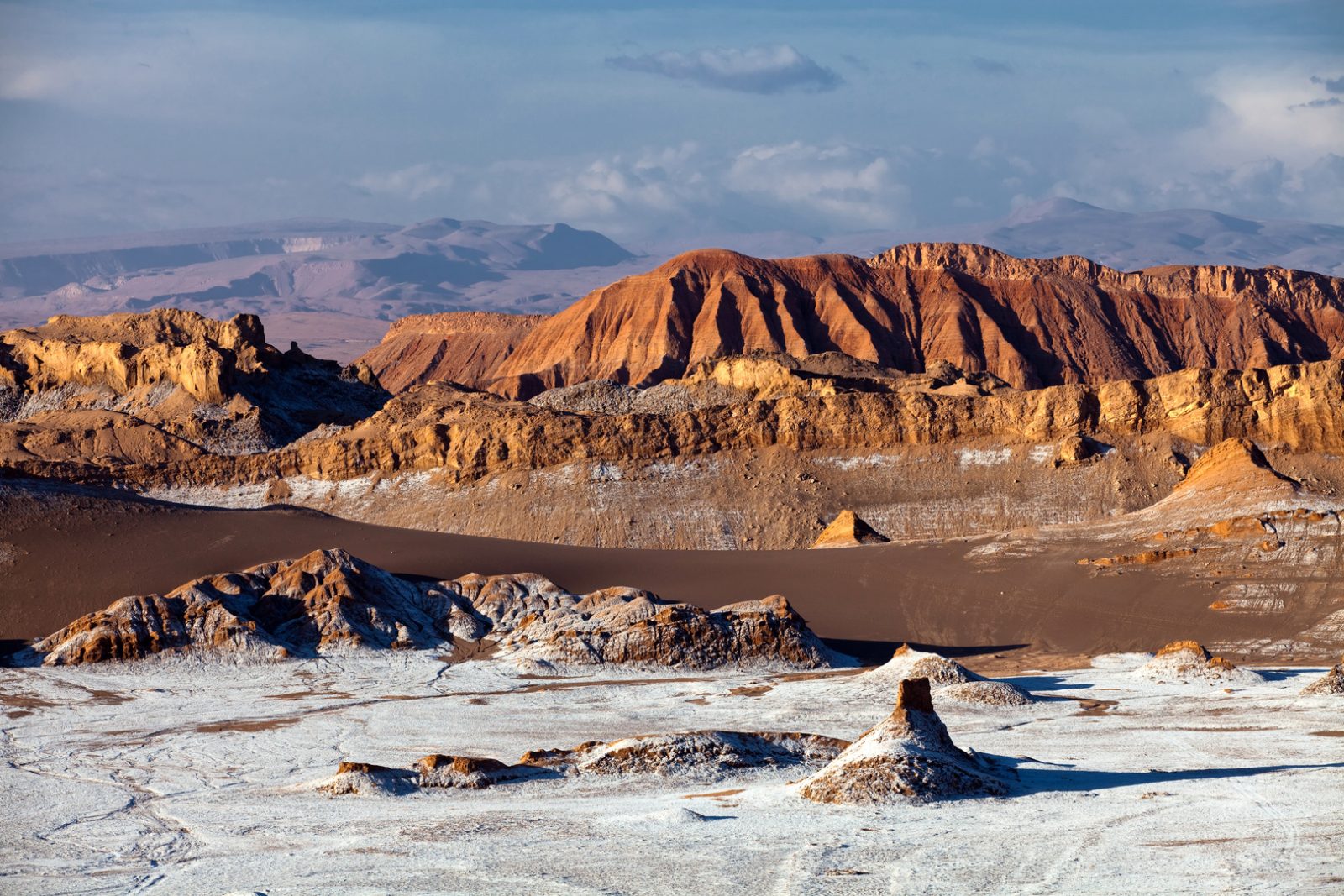
Dramatic rock formations famous for sunset vistas.
Variety of hostels and boutique lodges.
Join thousands of happy travelers who have discovered this incredible experience
Book Your Experience Now